
Beginning with green architecture innovations, the narrative unfolds in a compelling and distinctive manner, drawing readers into a story that promises to be both engaging and uniquely memorable.
Green architecture is at the forefront of modern construction, emphasizing sustainability and environmental stewardship in design. As the world faces escalating climate challenges, the importance of innovative architectural practices that minimize ecological impact cannot be overstated. Notable projects across the globe exemplify how cutting-edge methods and technologies are reshaping our built environment, making it more effective and sustainable.
Introduction to Green Architecture Innovations
Green architecture, also known as sustainable architecture, is a design philosophy that emphasizes the creation of buildings in harmony with the natural environment. This concept has gained immense importance in modern construction due to escalating environmental concerns, climate change, and the depletion of natural resources. Sustainable architecture not only focuses on reducing the ecological footprint of buildings but also enhances the quality of life for their occupants.The role of sustainability in architectural design and innovation is vital.
Architects and builders are increasingly integrating energy-efficient materials, renewable energy sources, and smart technologies into their projects. Notable green architectural projects worldwide include the Bosco Verticale in Milan, Italy, which features vertical gardens that improve air quality, and the Edge in Amsterdam, a commercial building renowned for its energy efficiency and innovative use of technology.
Key Innovations in Green Architecture
The landscape of green architecture is continuously evolving, with cutting-edge technologies leading the way. Key innovations include:
- Solar Panels: Photovoltaic systems have become increasingly efficient, allowing buildings to harness solar energy for power and reduce reliance on fossil fuels.
- Energy-Efficient Materials: The use of materials such as insulated concrete forms (ICFs) and thermally broken windows helps to minimize energy loss.
- Modular Construction: This technique involves prefabricating building sections in a factory, which reduces waste and construction time while increasing precision.
- Passive Solar Design: Buildings designed to maximize natural light and heat from the sun can significantly cut energy costs.
Advancements in water conservation technologies are also crucial. Rainwater harvesting systems and low-flow plumbing fixtures are standard features in modern green buildings, significantly reducing water consumption and promoting sustainability.
Impact on Real Estate Market
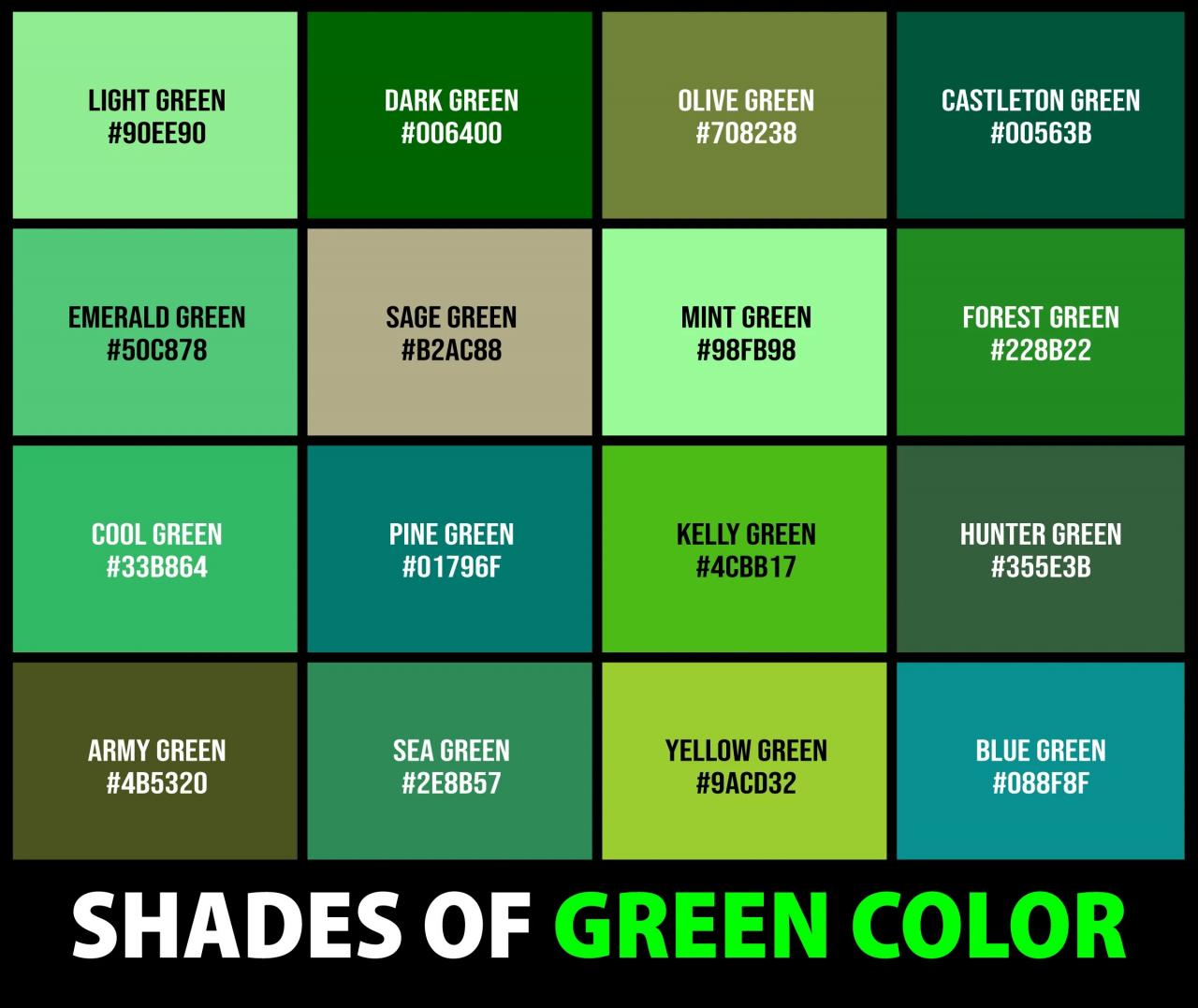
Green architecture innovations are reshaping real estate market trends. Properties that incorporate sustainable features tend to attract more buyers, creating a growing demand for green buildings. The relationship between sustainability features and property values in luxury homes is evident, as buyers increasingly prioritize energy efficiency and eco-friendly materials.Investing in green real estate offers significant benefits to investors, including lower operating costs, increased property values, and eligibility for green building certifications, which can enhance marketability.
Furthermore, properties with sustainable features often have reduced vacancy rates, providing additional financial security for investors.
Green Innovations in Luxury Homes
Luxury homes are increasingly integrating green architecture principles into their designs. Key design features include:
- Sustainable Materials: High-end finishes made from renewable resources, such as bamboo flooring and recycled glass countertops, are popular choices.
- Energy-Saving Technologies: Smart home systems that optimize energy use, including programmable thermostats and energy-efficient appliances, are common in luxury homes.
- Outdoor Living Spaces: Landscaped gardens and green roofs not only enhance aesthetic appeal but also improve air quality and reduce heat absorption.
Home staging for green luxury houses can be adapted to highlight these sustainable features, showcasing the benefits of energy efficiency and environmentally friendly materials to prospective buyers.
Commercial Properties and Green Architecture
The benefits of green architecture in commercial properties greatly surpass those in residential properties. Commercial buildings often have higher energy consumption due to their size and usage patterns, making energy efficiency critical.Commercial real estate agents can effectively market green innovations to attract tenants and buyers by emphasizing lower operational costs and the positive corporate image associated with sustainability. Real-life case studies, such as the Bullitt Center in Seattle, which features an impressive array of sustainable technologies, demonstrate the advantages of green commercial construction.
Green Real Estate Practices
Property management plays a crucial role in maintaining green building standards. Regular audits and updates ensure that properties remain compliant with environmental regulations and continue to operate efficiently.For real estate agents, promoting green features to potential buyers can be achieved through best practices such as:
- Educating Clients: Providing information on the long-term savings associated with energy-efficient homes.
- Highlighting Certifications: Emphasizing green certifications like LEED can enhance a property’s appeal.
- Showcasing Sustainable Features: Organizing open houses that allow potential buyers to experience the benefits of green living firsthand.
Identifying green land for real estate investment opportunities includes recognizing parcels that are suitable for sustainable development, such as those with existing infrastructure to support green building practices.
Financing and Incentives for Green Architecture
Various financing options are available for building green homes, including specialized mortgage programs that facilitate sustainable building practices. Mortgage refinance opportunities can also enable homeowners to invest in energy-efficient upgrades.Government incentives and grants play a significant role in supporting green architecture innovations. Local and federal programs often provide financial assistance for implementing renewable energy solutions and energy-efficient upgrades.Calculating potential savings from investing in green real estate involves assessing reduced utility bills, tax incentives, and increased property values, making it a financially sound choice for homeowners and investors alike.
Future Trends in Green Architecture
The future of green architecture is promising, with anticipated innovations such as advanced building materials that adapt to environmental changes and the integration of artificial intelligence to optimize energy use in real-time.Emerging technologies like the Internet of Things (IoT) will continually shape the future of sustainable buildings, allowing for smarter energy management and improved indoor air quality.However, the green architecture movement may face challenges, such as regulatory hurdles and the need for widespread public education on the benefits of sustainable living.
Overcoming these obstacles is essential for the continued advancement of green architecture and its adoption in mainstream construction practices.
Last Recap
In conclusion, green architecture innovations not only redefine the landscape of construction but also offer a sustainable path forward for future generations. As we embrace new technologies and practices, the potential for environmentally-friendly living spaces continues to expand, promoting a healthier planet and benefiting both investors and homeowners alike.
Clarifying Questions
What is green architecture?
Green architecture is an approach to building design focused on sustainability, resource efficiency, and reducing environmental impact.
How do green architecture innovations affect property values?
Properties with green features often see increased value due to demand for sustainable living and lower operational costs.
What financing options are available for green building?
Options include green mortgages, government grants, and incentives for energy-efficient renovations.
Are there specific materials used in green architecture?
Yes, materials such as recycled steel, bamboo, and non-toxic insulation are commonly used in green building projects.
What future trends are expected in green architecture?
Emerging technologies like AI, IoT, and advanced sustainable materials are expected to greatly influence future designs.